



Healthcare is undergoing a rapid digital transformation, with hospitals, clinics, and medical device manufacturers increasingly adopting interactive technologies to improve patient outcomes and streamline operations. One of the most critical technologies driving this change is the Healthcare Touch Monitor, a specialized display system designed for clinical environments. Unlike conventional touch displays, these monitors are engineered for reliability, hygiene, precision, and seamless integration with medical devices and information systems.
As healthcare facilities continue to embrace digital workflows, understanding the unique benefits and features of healthcare touch monitors becomes essential for hospital administrators, IT teams, and medical equipment OEMs. This article provides a comprehensive guide on how healthcare touch monitors improve clinical efficiency, enhance patient experiences, and serve as the backbone for advanced healthcare solutions.

Why Healthcare Touch Monitors Are Essential in Modern Medical Facilities
Healthcare touch monitors have become indispensable in modern medical environments due to the following reasons:
• Real-Time Data Access: Doctors and nurses can instantly access patient records, diagnostic images, and lab results, reducing delays in clinical decision-making.
• Streamlined Workflows: Interactive monitors eliminate the need for multiple devices, allowing staff to perform documentation, patient monitoring, and equipment control from a single interface.
• Enhanced Patient Safety: Touch monitors integrated with hospital information systems minimize human errors and improve medication and treatment accuracy.
• Hygienic Design: Medical-grade monitors feature anti-microbial coatings and easy-to-clean surfaces, ensuring compliance with infection control standards.
By centralizing information and facilitating seamless interaction, healthcare touch monitors become vital tools for improving both operational efficiency and patient outcomes.
Key Features Distinguishing Healthcare Touch Monitors from Standard Displays
Healthcare touch monitors differ from commercial touch screens in several critical ways:
• Durability for 24/7 Operation: Designed to withstand continuous clinical use without performance degradation.
• High Touch Accuracy: Ensures precise input for medical applications such as radiology, surgery planning, and lab diagnostics.
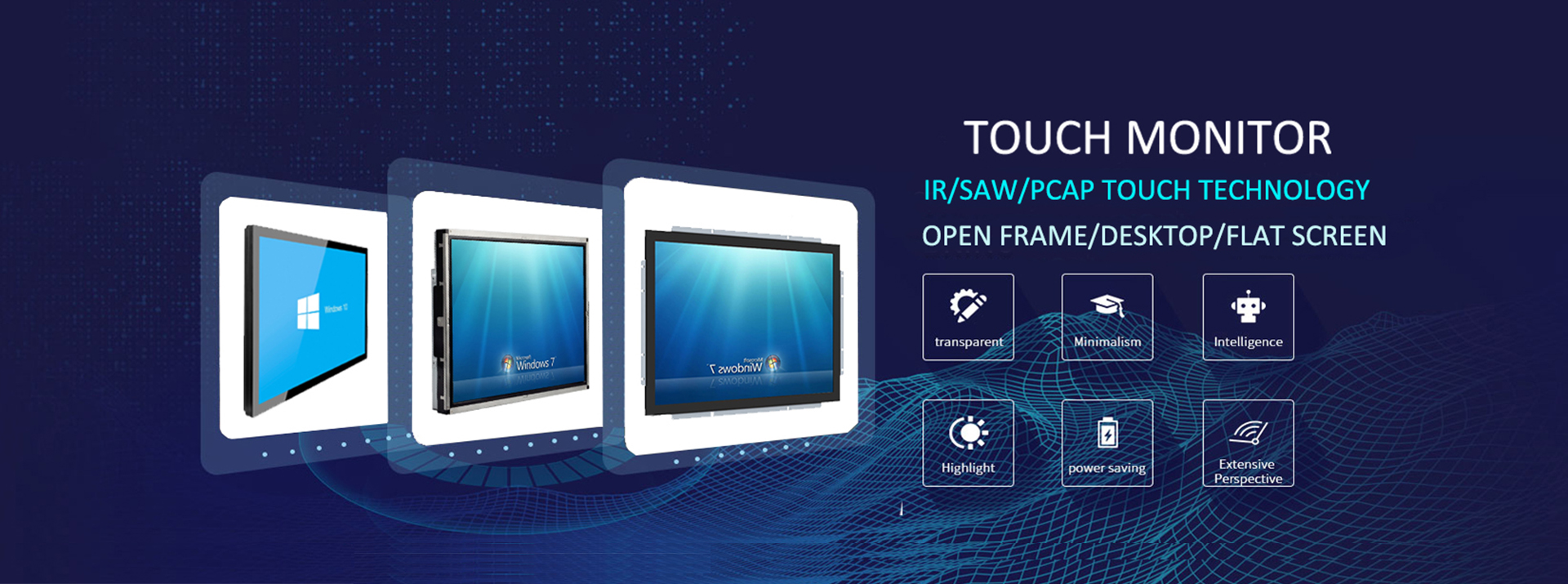
• Open Frame Design: Supports integration into OEM medical equipment and custom enclosures.
• Hygienic Surface Treatments: Anti-fingerprint, anti-glare, and antimicrobial coatings for safe patient interaction.
• Advanced Display Technology: High resolution, excellent color accuracy, and low-latency touch response for critical visualization tasks.
These features ensure that healthcare touch monitors meet the stringent requirements of clinical workflows while remaining reliable and user-friendly.

Applications Across Healthcare Environments
Healthcare touch monitors are utilized in a variety of settings:
Patient Registration Kiosks
Touch monitors facilitate self-service registration, reducing waiting times and administrative burden while improving patient satisfaction.
Nursing Stations
Integrated with electronic health records, touch monitors enable nurses to monitor patient vitals, track medication schedules, and document care efficiently.
Diagnostic and Imaging Equipment
Radiology, ultrasound, and laboratory instruments rely on high-resolution touch displays to visualize complex data accurately and perform precise analyses.
Telemedicine Platforms
Interactive monitors allow healthcare providers to conduct remote consultations, review patient information, and collaborate with specialists in real time.
Patient Bedside Terminals
Patients can access educational content, communicate with staff, and manage services, enhancing engagement and overall experience.
Factors Driving Adoption: Data Insights
The following table illustrates the primary drivers for adopting healthcare touch monitors across hospitals globally:
|
Adoption Factor |
Percentage Impact |
|
Workflow Efficiency |
35% |
|
Patient Experience |
28% |
|
Telemedicine Enablement |
18% |
|
Equipment Modernization |
10% |
|
Regulatory Compliance |
9% |
The data highlights that improving workflow efficiency and patient experience remains the most significant motivators for hospital investment in touch monitors.
Selecting the Right Healthcare Touch Monitor
Selecting a suitable monitor involves evaluating several critical criteria:
• Screen Size and Resolution: Ensure compatibility with the intended medical application, from bedside monitoring to imaging review.
• Touch Technology: Capacitive or infrared options depending on accuracy requirements and glove use in clinical settings.
• Mounting and Integration: Open frame options support custom enclosures, OEM equipment, and flexible installation.
• Durability and Maintenance: Monitors must be rated for extended operation and easy sanitization without performance loss.
• Compliance Certifications: Look for CE, FCC, and ISO certifications relevant to medical devices.
A systematic evaluation ensures the monitor meets both clinical and operational requirements.
Benefits for OEM Medical Equipment Manufacturers
OEMs integrating healthcare touch monitors benefit from:
• Customizable Options: Screen size, touch interface, protective glass, and mounting can be tailored.
• Simplified Integration: Open frame monitors enable seamless installation in proprietary devices.
• Enhanced Product Value: High-quality interactive displays improve user experience and device competitiveness.
• Reduced Development Time: Pre-engineered healthcare monitors reduce the need for in-house display development.
For OEMs, these advantages translate into faster time-to-market and increased customer satisfaction.
Emerging Trends in Healthcare Touch Display Technology
Healthcare touch monitors continue evolving to meet future demands:
|
Trend |
Expected Impact |
|
Telemedicine Integration |
High |
|
AI-Assisted Interfaces |
High |
|
Smart Hospital Automation |
Medium-High |
|
Antimicrobial Display Surfaces |
Medium |
|
Large Interactive Displays |
Medium |
These trends indicate that touch monitors will play a pivotal role in hospital digital transformation and patient-centric care.

Conclusion
Healthcare touch monitors are now integral to modern medical environments, improving clinical workflows, enhancing patient care, and supporting telemedicine initiatives. Their durability, precision, hygiene, and integration flexibility differentiate them from standard commercial displays. Hospitals and OEM manufacturers investing in high-quality healthcare touch monitors position themselves for improved efficiency, safety, and competitiveness in an increasingly digital healthcare landscape.
FAQ
What is a healthcare touch monitor?
A touch-enabled display specifically designed for clinical use in hospitals, clinics, and medical devices.
How does it improve patient care?
By providing real-time access to records, enabling efficient workflows, and enhancing patient interaction through interactive interfaces.
Can it be customized?
Yes. Options include screen size, touch technology, open frame design, and protective coatings.
Where are healthcare touch monitors commonly deployed?
Used in patient registration kiosks, nursing stations, diagnostic equipment, bedside terminals, and telemedicine platforms.
What certifications should I look for?
CE, FCC, and ISO certifications relevant to medical devices ensure compliance and reliability.
Post time: Jun-19-2026


